May 11, 2026
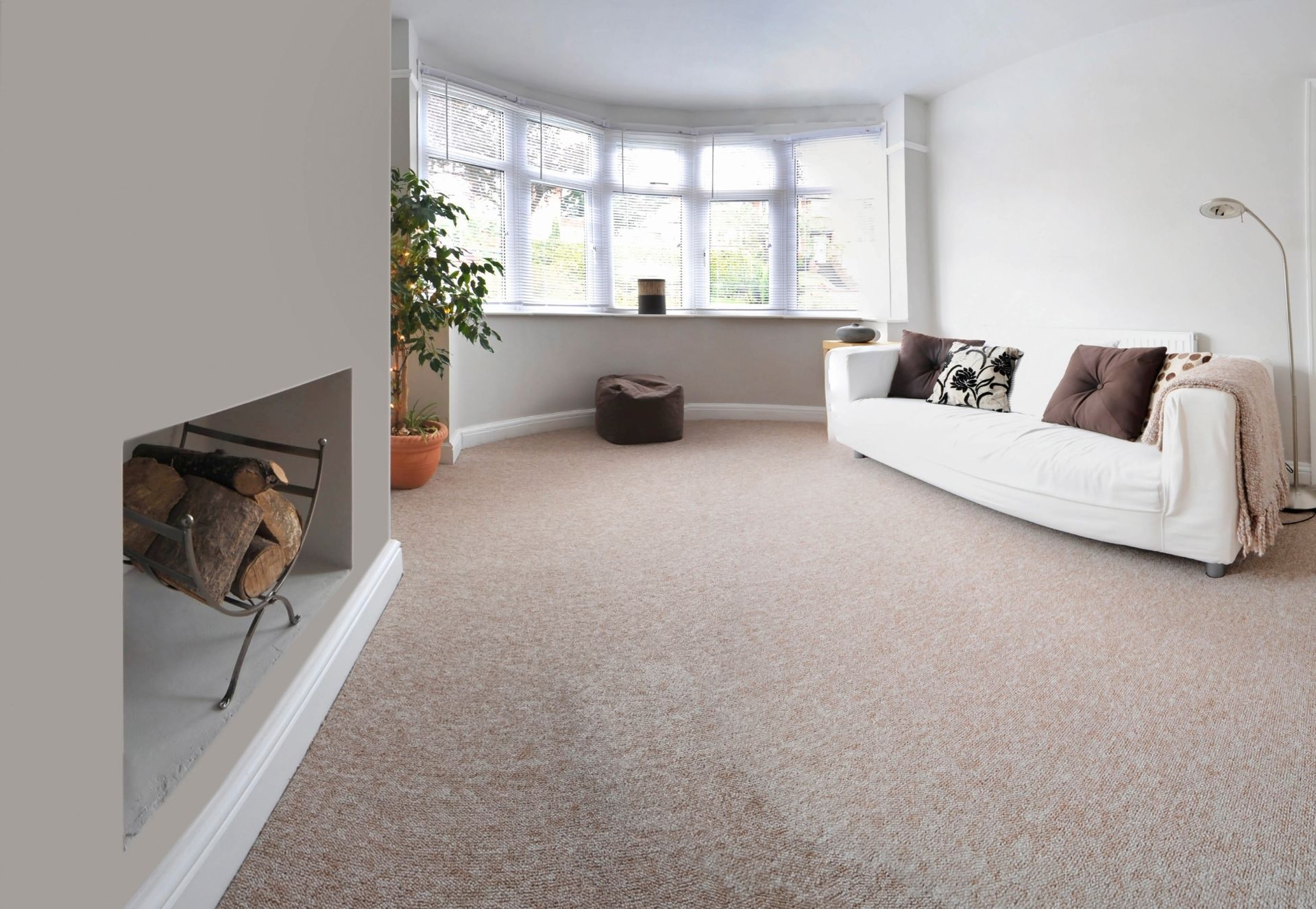
Investing in high-quality textiles for your home brings a level of warmth, sound insulation, and comfort that other materials simply cannot replicate. However, the soft nature of these fibers means they act as a filter for the home, trapping dust, allergens, and soil that can eventually degrade the material if not managed correctly. Maintaining your carpet flooring is not just about aesthetics; it is a vital part of protecting your financial investment and ensuring a healthy indoor environment for your family. Many homeowners mistakenly believe that soft surfaces are higher maintenance than their hard counterparts, but with a consistent strategy, they can be incredibly resilient. By establishing a proactive care routine that combines daily habits with professional interventions, you can ensure that your floors remain plush and vibrant for their entire intended lifespan.
1. Vacuuming With High Frequency
Consistency is the most powerful tool in your arsenal when it comes to preventing the abrasive wear that destroys soft fibers. Most visible soil sits on the surface, but walking on it pushes sharp particles deep into the pile where they act like tiny saws, cutting away at the yarn. To preserve your carpet flooring, you should vacuum high-traffic zones at least three times a week using a machine equipped with a HEPA filter. This frequency ensures that dirt is removed before it has the chance to settle and cause permanent structural damage. Moving the vacuum slowly allows the suction to work effectively against the dense backing.
2. Implementing Preventive Matting Strategies
The best way to keep a floor clean is to prevent contaminants from ever crossing the threshold of your living space. Placing high-quality walk-off mats at every entrance traps a significant percentage of the moisture and grit that would otherwise be ground into your carpet flooring. These mats should be long enough to allow for several footsteps, ensuring maximum soil capture before a person reaches the interior rooms. Additionally, implementing a strict "no shoes" policy further reduces the introduction of oils and street grime. This simple change in household habits significantly reduces the overall cleaning burden and extends the life of the fibers.
3. Treating Spills And Stains Immediately
Accidents are an inevitable part of life, but their permanence is often determined by how quickly you react to the situation. When a spill occurs, the goal is to blot the area with a clean, white cloth rather than scrubbing, which can fray the delicate fibers and spread the pigment. According to The Carpet and Rug Institute, hard surface floors require two and a half times more cleaning than carpet annually. This fact highlights that while carpet flooring might seem sensitive, it is actually quite efficient at holding onto dust until you are ready to remove it. Using the correct pH-neutral spot cleaner ensures that you don't leave a sticky residue behind.
4. Scheduling Professional Deep Extractions
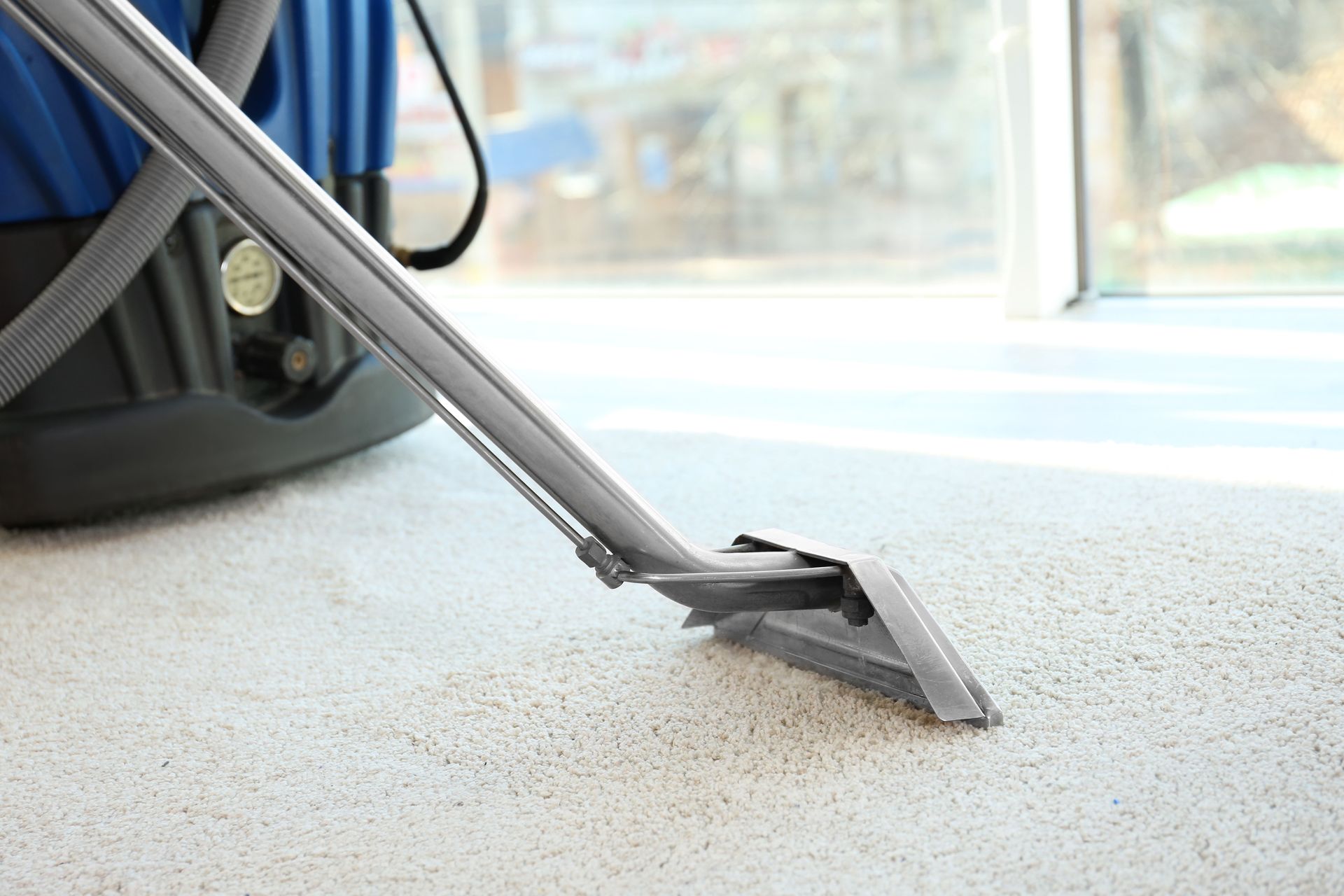
While home vacuuming handles surface debris, it cannot reach the oily soils and fine pollutants that bond to the fibers over time. Most manufacturers require a professional hot water extraction every twelve to eighteen months to keep the warranty valid. This process uses high-pressure steam and specialized detergents to break down stubborn contaminants and sanitize the material. Hiring a certified technician ensures that the moisture is thoroughly extracted, preventing the growth of mold or the browning of the yarn. Regular deep cleaning restores the bounce and color of your carpet flooring, making it feel brand new once again.
5. Grooming The Pile Regularly
Over time, heavy foot traffic and furniture can cause the upright fibers to lean or mat down, leading to a dull and worn appearance. Using a specialized rake or brush designed for textiles can help lift the pile and redistribute the fibers for a more uniform look. This process, known as grooming, is particularly effective after a deep clean or in areas where a sofa has been moved. By keeping the fibers standing upright, you ensure that light reflects off them evenly, which maintains the original luster. This mechanical agitation also helps loosen deeply embedded dust for easier removal.
6. Rotating Furniture For Even Wear
Static pressure from heavy tables and chairs can create permanent indentations in the backing of your rug if left in one place for too long. Periodically shifting the layout of your room changes the traffic patterns, ensuring that no single area of your carpet flooring bears the brunt of the daily walk. When you do move furniture, you can treat indentations by placing an ice cube on the spot and allowing it to melt, then gently lifting the fibers with a coin or spoon. This simple rotation strategy prevents the "pathway" effect that makes a room look aged and neglected prematurely.
7. Utilizing Specialized Fiber Protectors
Many modern textiles come from the factory with a stain-resistant coating, but this chemical barrier eventually wears off through friction and cleaning. Reapplying a high-quality protector after a professional deep clean helps seal the fibers against liquid penetration and soil adhesion. This invisible shield gives you more time to blot up spills before they become permanent stains, acting as a secondary line of defense for your carpet. While it does not make the floor "bulletproof," it significantly improves the success rate of DIY spot cleaning and helps the vacuum pick up dry soil more efficiently during your weekly routine.
8. Controlling Indoor Humidity Levels
The environment inside your home plays a significant role in how well your floor coverings hold their shape and resist odors. Excessive humidity can lead to a "musty" smell as the fibers absorb moisture from the air, which can also weaken the latex adhesive in the backing. Conversely, air that is too dry can lead to static electricity buildup, which causes dust to cling more tightly to the yarn. According to industry experts, maintaining a consistent humidity level between 40% and 50% ensures that your carpet remains stable and fresh. This environmental control is a subtle but essential part of long-term textile preservation.
9. Clipping Snags And Loose Threads
When a loop is pulled or a thread comes loose, it is tempting to pull on it, but this can cause a "run" that ruins a large section of the floor. Instead, use a pair of sharp scissors to clip the offending thread level with the rest of the pile. This prevents the snag from being caught by a vacuum or a pet’s paw, which would escalate a minor cosmetic issue into a structural tear. Regularly inspecting the edges and seams for these small defects allows you to intervene before the damage becomes noticeable. Proper trimming keeps the surface looking smooth and well-maintained.
10. Checking Vacuum Mechanical Performance
A vacuum cleaner that is not maintained will eventually stop removing dirt and may even begin to damage the very floors it is supposed to protect. You should regularly check the brush roll for tangled hair or threads, which can stop it from spinning and lead to friction burns on the fiber. Additionally, replacing the bags or cleaning the filters ensures that the machine maintains the high level of suction necessary for deep cleaning. A well-functioning vacuum is the most important investment you can make for the longevity of your carpet flooring, so keeping the tool in peak condition is non-negotiable.
Maintaining the beauty and functionality of your interior textiles is a rewarding endeavor that significantly enhances the comfort of your home. By following these structured habits, from frequent vacuuming and strategic matting to professional extractions and environmental controls, you create a resilient environment that stands up to the rigors of daily life. A well-maintained floor is a testament to the care you put into your living space, providing a soft, safe, and attractive foundation for all your family’s activities. Remember that the key to success is consistency; small, regular actions are much more effective than occasional, aggressive interventions. When you treat your floor with respect and use the right techniques, it rewards you with a plush feel and a vibrant appearance that can last for decades. Your home is your sanctuary, and the softness underfoot is a primary contributor to that feeling of peace. Are you considering carpet flooring for your home in the Cedar Falls, IA area? The professionals at Simpson Floor Covering are ready to assist! Call today to request an estimate.