November 11, 2026
When it is time to upgrade the flooring in your home, making the right choice requires careful consideration of both aesthetics and functionality. Flooring serves as the foundation for your interior design, influencing the overall mood of your space. Among the options available, selecting the perfect carpets for your floors brings warmth, sound insulation, and a welcoming atmosphere to any room. However, finding the ideal match involves more than just picking a favorite color. It requires a thoughtful evaluation of how the space is used, the foot traffic it receives, and the needs of your household. By understanding the factors involved in the selection process, you ensure your investment enhances your home for many years. From initial research to final installation, every step plays a vital role in achieving the desired outcome.
Understanding Carpet Materials
The first step is determining which material best suits your lifestyle and budget. Various fibers offer distinct advantages depending on your requirements. Wool is a premium natural fiber known for its incredible softness, luxurious feel, and inherent soil resistance. It provides excellent insulation but requires a higher initial investment. On the other hand, synthetic fibers dominate the market due to their affordability and versatile performance. Nylon is highly regarded for its exceptional strength and resilience, making it a fantastic choice for active households. Polyester offers brilliant color clarity and natural stain resistance, often at a budget-friendly price point. Olefin is another synthetic option that excels in moisture resistance, making it suitable for environments where dampness might be a concern. By comparing these materials, you can identify the fibers that align with your expectations for long-term performance.
Evaluating Pile Styles
Once you have selected a material, the next consideration is the pile style, which refers to how fibers are attached to the backing. Cut pile is a popular option where fiber loops are cut to create a soft, dense surface. This style brings an elegant look to living rooms and bedrooms. Alternatively, loop pile leaves the fiber loops intact, resulting in a durable and textured surface that stands up well to heavy use without showing footprints. Berber is a classic example of this style. There are also cut and loop combinations that weave both styles together to create unique textures. When browsing different carpets, the style you choose directly impacts the tactile experience of the room. It is crucial to match the pile style to the functional demands of the space where the flooring will be placed.
Assessing Durability Needs
Evaluating durability requirements is essential for ensuring your flooring investment stands the test of time. High-traffic areas like hallways and stairs demand robust materials that withstand constant use without premature wear. When assessing durability, consider the face weight and the density of the fibers; higher density generally indicates a stronger product. It is also important to explore modular options for areas prone to localized damage. According to The Spruce, carpet tiles have a lifespan of about 10 to 20 years. This makes them a versatile and enduring option for spaces where you might need to replace individual sections rather than the entire floor. Understanding your household's daily routine will guide you toward resilient carpets engineered to endure your specific environment while maintaining their beautiful appearance over the years.
Choosing Perfect Colors
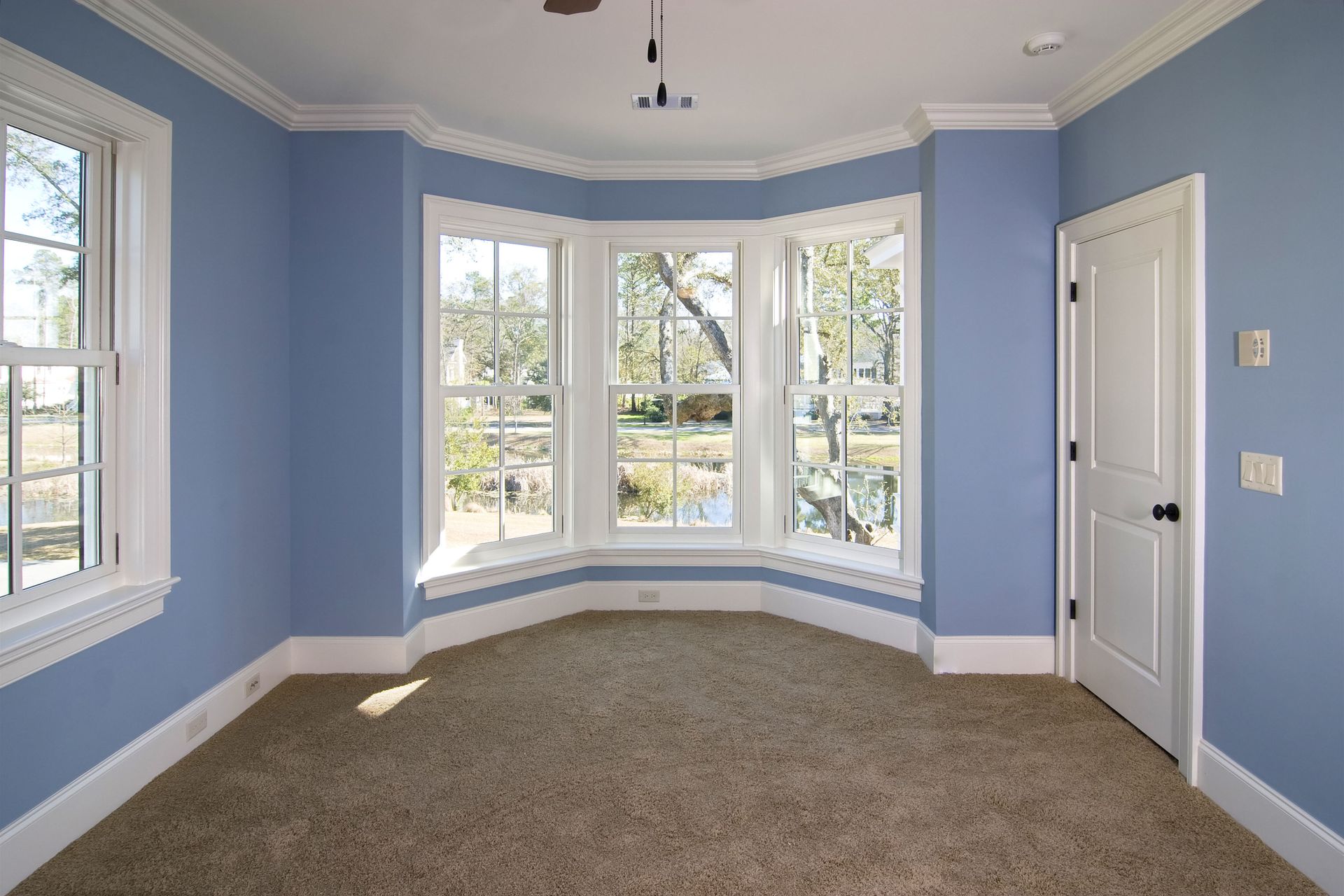
Color and pattern play a monumental role in shaping the atmosphere of any given room, making this an exciting step in the selection process. Lighter shades tend to make small spaces feel more expansive and open, while darker hues create a cozy, intimate environment. Neutral tones provide a versatile backdrop that allows your furniture to take center stage, while bold colors can serve as a stunning focal point. It is highly recommended to take samples home and observe how they look under specific lighting conditions. Natural sunlight and artificial fixtures can drastically alter the appearance of modern carpets. By testing samples in your own space, you can confidently select a shade that harmonizes seamlessly with your existing decor and achieves the exact aesthetic you envision for your newly updated room.
Understanding Padding Importance
While the visible surface grabs attention, the padding hidden underneath is equally critical to the overall success of your flooring project. High-quality underlayment provides essential support, absorbing the impact of daily foot traffic and preventing fibers from crushing prematurely. It also adds a significant layer of insulation, helping to regulate indoor temperatures and reduce noise transmission between floors. Skimping on padding can severely compromise the feel and longevity of even the most expensive flooring. When comparing different carpets, always inquire about the manufacturer's recommended padding specifications to ensure optimal performance. Investing in the right cushion not only maximizes luxurious comfort underfoot but also protects your warranty and guarantees that your flooring will maintain its structural integrity for a much longer period of time.
Planning Proper Installation
Even the highest quality materials will fail to perform if they are not installed correctly, which is why professional installation is absolutely paramount. Proper installation involves meticulous room measurement, subfloor preparation, and precise seaming to ensure a flawless finish. Experienced installers have the specialized tools and knowledge required to stretch the material drum-tight, preventing unsightly wrinkles and buckling in the future. They can also seamlessly navigate complex areas like staircases, closets, and irregular room layouts. Before the installation crew arrives to lay down your new carpets, you should clear the area of furniture and delicate items to facilitate a smooth process. Trusting this critical phase to seasoned professionals guarantees that your new flooring will look immaculate, perform flawlessly, and meet all warranty requirements for years to come.
Maintaining Your Flooring
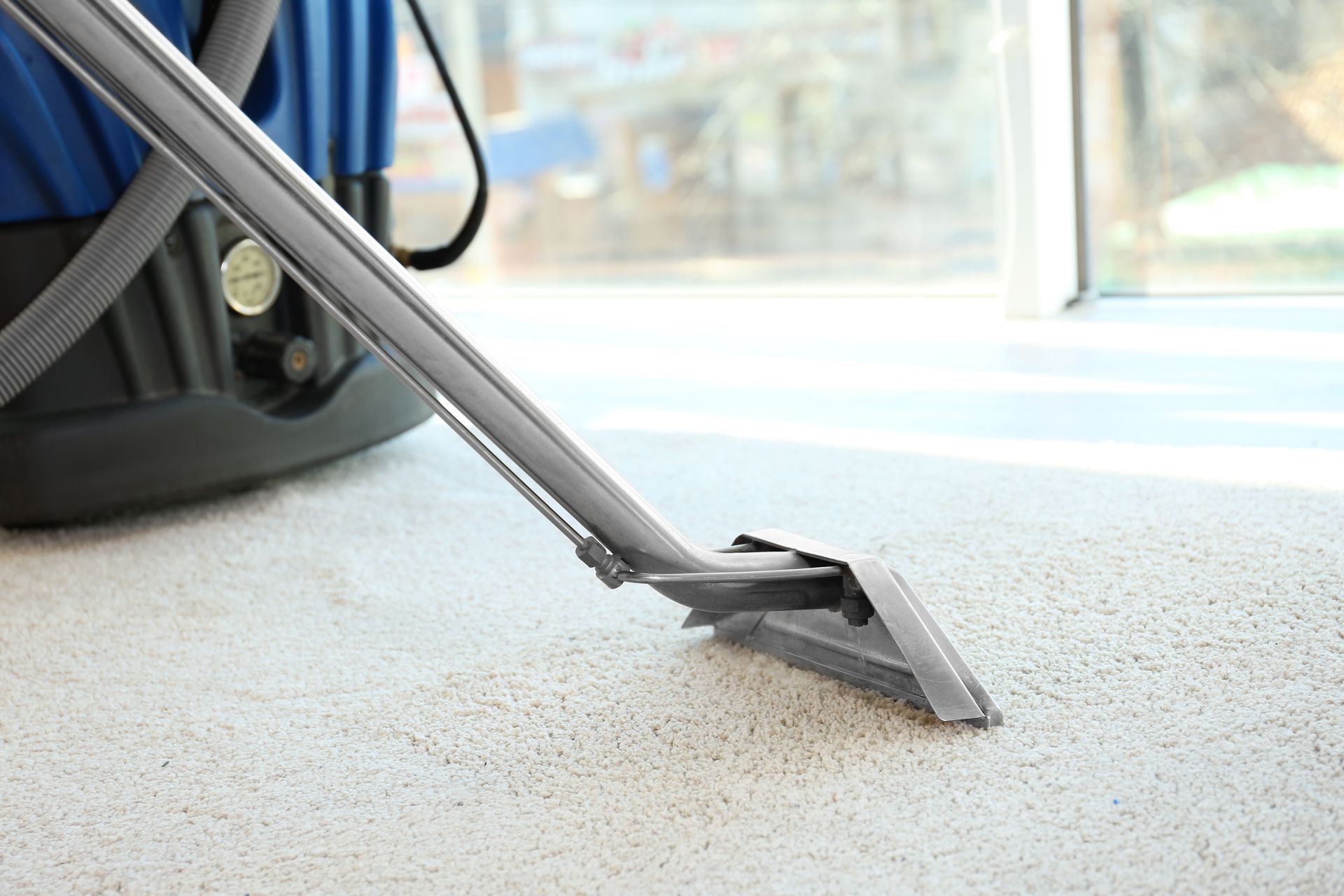
Establishing a consistent maintenance routine is the final key to preserving the beauty and extending the life of your investment. Regular vacuuming is the most effective defense against dirt and abrasive particles that can wear down fibers over time. It is advisable to vacuum high-traffic zones multiple times a week to prevent soil from becoming deeply embedded. In addition to regular vacuuming, addressing spills immediately with gentle blotting techniques prevents permanent staining. Beyond your routine care, most manufacturers require professional hot water extraction cleaning every twelve to eighteen months to maintain warranty coverage. This deep cleaning process removes stubborn dirt and revitalizes the texture of premium carpets. By adhering to these simple yet effective maintenance guidelines, you keep your floors looking fresh, vibrant, and incredibly inviting long after the initial installation day.
Upgrading your home with new flooring is a significant decision that profoundly impacts both the aesthetic appeal and the daily comfort of your living space. By taking the time to thoroughly understand material properties, pile styles, durability ratings, and the critical importance of quality padding and professional installation, you empower yourself to make a wise and lasting investment. Every detail, from the color selection to the maintenance schedule, contributes to the overall success of your home improvement project. Careful planning ensures that your finished space is not only visually stunning but also highly functional for your unique lifestyle. If you are ready to transform your home with beautiful new flooring, reach out to the experts who can guide you through every step of the process. Call Simpson Floor Covering today to learn more and schedule your personalized consultation.