November 13, 2026
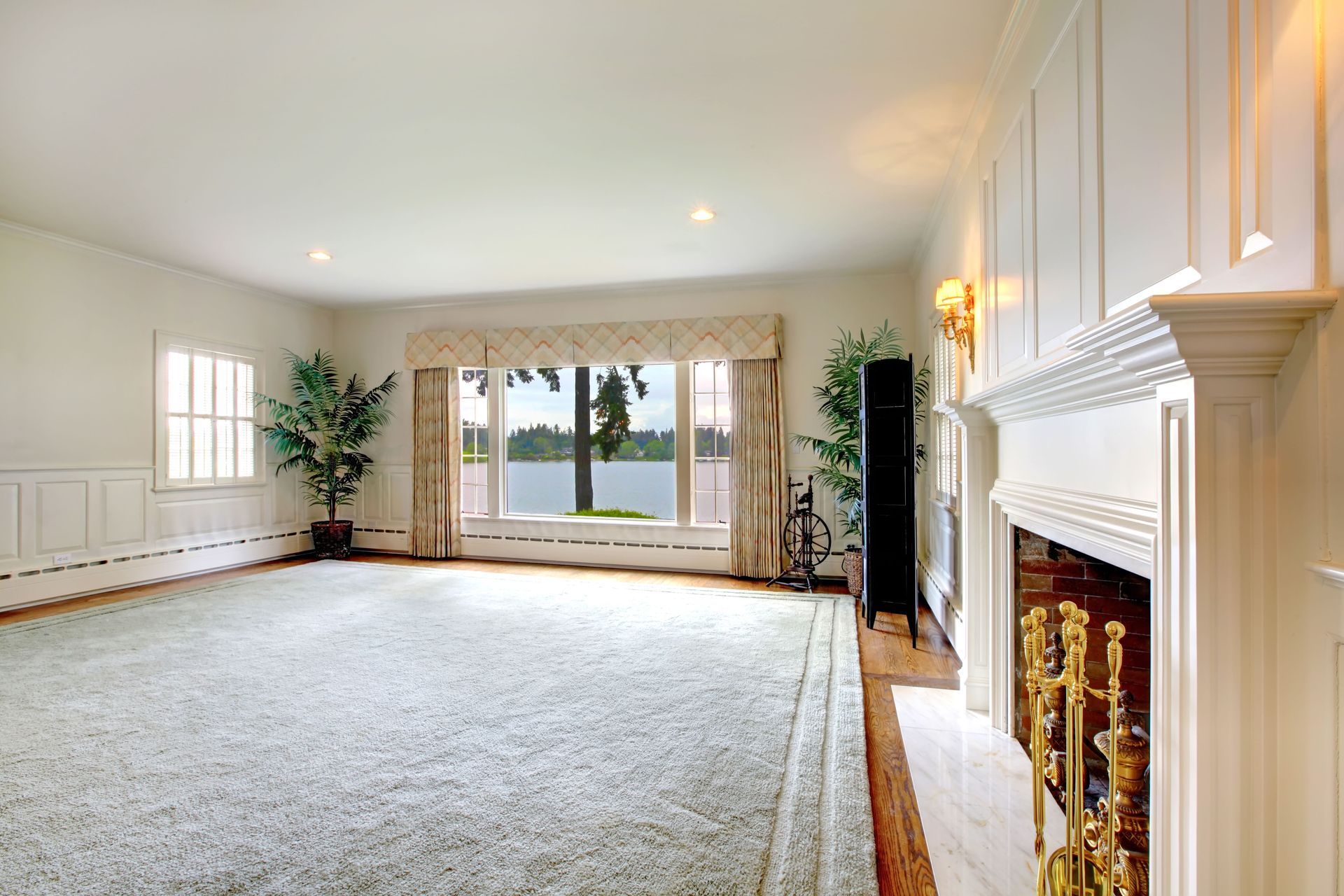
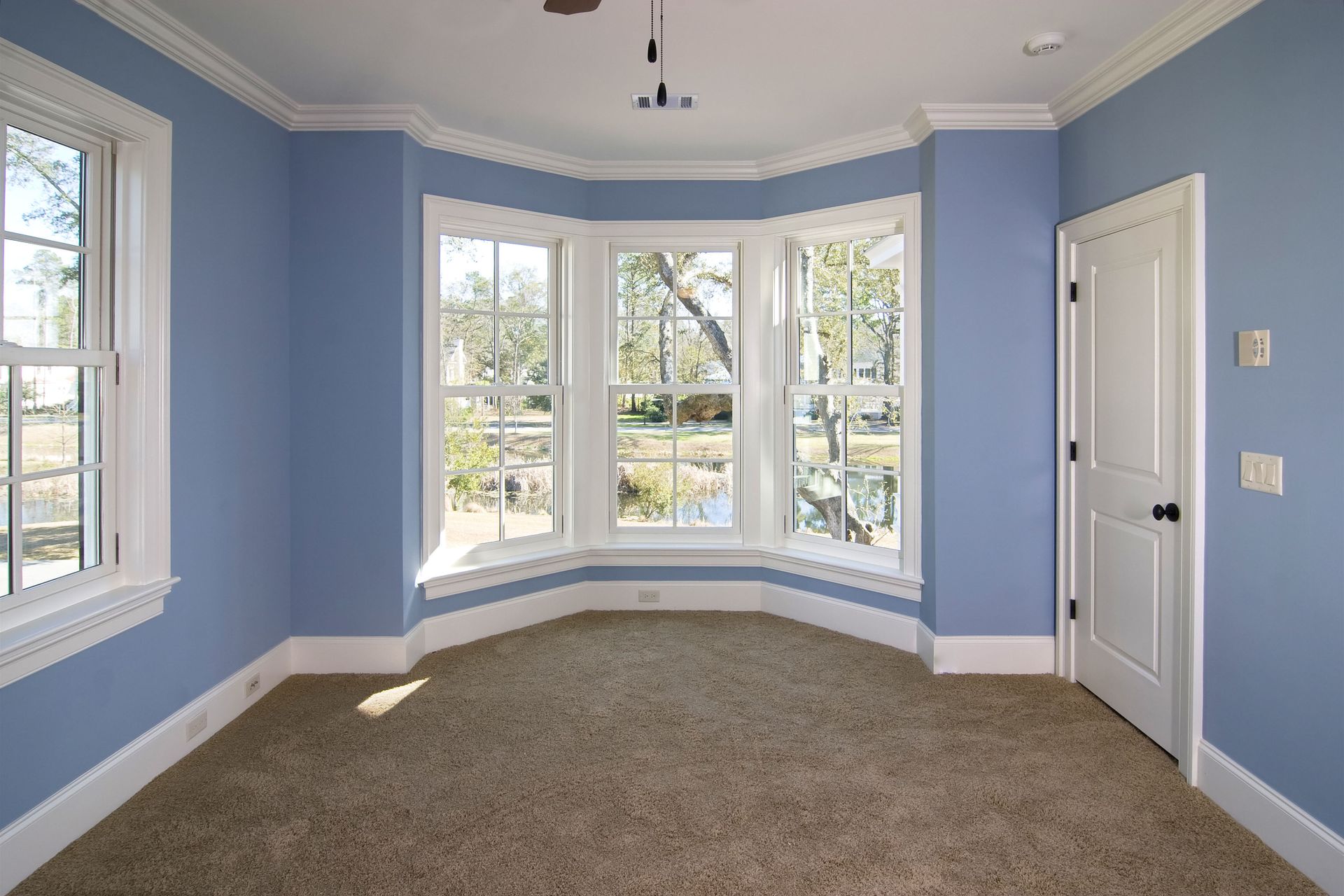
When you are redesigning a room or moving into a brand-new space, selecting the appropriate flooring is a major decision that influences both aesthetics and comfort. Among the various choices available on the market, finding the ultimate carpet can feel like an overwhelming journey. The soft texture beneath your feet brings a unique warmth and acoustic dampening quality that hard surfaces simply cannot replicate. Homeowners often seek a material that balances style, durability, and maintenance needs. Because flooring acts as the foundation of your interior design, understanding the specific characteristics of different fibers is absolutely essential. Whether you are looking for luxurious softness for a master bedroom, rugged resilience for a busy hallway, or stain resistance for a bustling family room, the materials you select will dictate the longevity and performance of your floors. By taking the time to explore the diverse array of options, you empower yourself to make a highly informed choice that perfectly complements your lifestyle, functional requirements, and decorative vision. Consulting with flooring experts and reviewing product specifications will ultimately guide you toward the most appropriate material.
Exploring Wool Materials
Natural fibers have long been celebrated for their exceptional quality and luxurious feel, and wool remains the premier standard in the flooring industry. Sourced primarily from sheep, this organic material is inherently sustainable, biodegradable, and highly resilient. The natural crimp of wool fibers allows them to bounce back beautifully after being compressed by heavy furniture or constant foot traffic, maintaining their plush appearance. Furthermore, wool possesses incredible insulating properties, helping to regulate indoor temperatures and potentially lowering heating expenses during colder months. Another remarkable trait of this fiber is its natural resistance to flames and dirt, making it a safe material to maintain with regular vacuuming. However, these premium benefits come with a higher initial investment compared to synthetic counterparts. Additionally, wool is highly absorbent, meaning spills must be addressed immediately to prevent permanent staining. Despite these minor drawbacks, the unparalleled comfort, sophistication, and ecological advantages make it an exceptional choice for formal living areas, master suites, and any space where ultimate luxury is the primary goal. Your chosen carpet must align with your daily habits, and wool certainly demands attentive care.
Evaluating Nylon Features
For active households filled with children, pets, and constant movement, synthetic fibers often provide the most practical and enduring solution. Nylon stands out as the most popular and versatile synthetic option currently available. Renowned for its extraordinary durability and resilience, nylon has the unique ability to withstand significant wear and tear without losing its original shape or texture. This makes it particularly ideal for high-traffic zones such as hallways, stairs, and family entertainment rooms. Modern manufacturing techniques also treat nylon with advanced stain-resistant solutions, ensuring that inevitable spills and accidents can be cleaned up quickly and efficiently without leaving lasting marks. The flexibility of nylon allows it to be crafted into an endless array of vibrant colors, intricate patterns, and diverse pile heights, giving homeowners limitless design possibilities. While it may generate static electricity in dry climates, this minor inconvenience is heavily outweighed by its overall performance. When you prioritize rugged durability without sacrificing aesthetic appeal, this dynamic material consistently delivers outstanding results. Evaluating your household dynamics will help you determine if this robust carpet is the perfect match for your demanding environment.
Understanding Polyester Benefits
Homeowners seeking a balance between budget constraints and vibrant visual appeal frequently turn to polyester as their primary flooring solution. This synthetic fiber is celebrated for its remarkable color clarity, allowing manufacturers to produce incredibly rich, fade-resistant hues that maintain their brilliance even in rooms exposed to abundant natural sunlight. Polyester is also inherently stain-resistant against water-based liquids, making it a forgiving choice for dining areas or children's bedrooms where accidental spills are a frequent occurrence. Furthermore, many modern polyester materials are manufactured using recycled plastic bottles, offering an environmentally conscious alternative. The incredibly soft and luxurious feel underfoot makes it a delightful addition to cozy spaces designed for relaxation. However, it is essential to recognize that polyester is generally less resilient than nylon. It is more susceptible to crushing and matting under heavy foot traffic, meaning it is best suited for lower-traffic areas where comfort is prioritized over absolute durability. By strategically placing this material in appropriate rooms, you can enjoy a stunning, cost-effective flooring upgrade. According to The Spruce, on average, a carpet will last between five and 15 years.
Analyzing Olefin Characteristics
Another synthetic option that offers unique advantages for specific environmental conditions is olefin, widely known in the industry as polypropylene. This highly affordable material is inherently resistant to moisture, mildew, and mold, making it an outstanding candidate for basements, enclosed patios, and laundry rooms where dampness is a constant concern. Because the color is added directly into the fiber during the manufacturing process rather than being dyed afterward, olefin boasts exceptional resistance to fading, even when subjected to harsh sunlight or strong cleaning solutions. It is frequently utilized in loop-style constructions like Berber, which helps enhance its structural integrity and overall lifespan. While it excels in moisture resistance and colorfastness, olefin is not as resilient as other synthetic fibers and can easily become matted in heavily traveled pathways. Additionally, it has an affinity for oil-based stains, which can be challenging to remove if not treated promptly. For spaces that require practical, moisture-resistant flooring on a strict budget, olefin provides a highly functional solution. Finding the right carpet involves weighing these specific environmental challenges against your desired aesthetic and financial parameters.
Considering Acrylic Alternatives
Often referred to as artificial wool, acrylic provides the luxurious appearance and soft texture of natural wool without the associated premium price tag. This material offers a warm, inviting aesthetic that elevates the visual appeal of any room, making it a popular choice for budget-conscious homeowners who refuse to compromise on style. Acrylic naturally resists static electricity, moisture, and mildew, contributing to a healthy and comfortable indoor environment. It also holds its color exceptionally well, ensuring that your vibrant design choices remain fresh and beautiful over time. Despite these appealing traits, acrylic does have certain limitations regarding durability and longevity. It is notably less resistant to abrasion and crushing than its synthetic counterparts, meaning it can show signs of wear rather quickly if placed in busy corridors or active family spaces. Therefore, it is most successfully utilized in formal dining rooms, guest bedrooms, and other areas that experience light, infrequent use. When carefully positioned in the proper setting, an acrylic carpet can mimic the grandeur of high-end materials while maintaining manageable maintenance requirements and preserving your home improvement budget.
Navigating the vast world of interior flooring requires careful consideration of your lifestyle, budget, and the specific demands of each individual room. Whether you are drawn to the natural elegance and unmatched comfort of wool, the rugged resilience of nylon, the vibrant hues of polyester, the moisture resistance of olefin, or the budget-friendly luxury of acrylic, there is a perfect material waiting to transform your living space. By understanding the unique strengths and potential drawbacks of each fiber type, you can make a confident, educated decision that enhances both the beauty and functionality of your home. Taking the time to evaluate foot traffic patterns, environmental conditions, and maintenance preferences ensures that your investment will provide lasting satisfaction and comfort. If you are ready to elevate your interior design and find the ideal carpet for your upcoming renovation project, professional guidance is always available to help you navigate these choices. Please call Simpson Floor Covering today to learn more about our extensive selection and expert installation services.